

Blog
What is underlayment for laminate flooring and why does it matter?

You’ve found the perfect flooring. The color is just right, the texture feels great, and the “wow” factor is there. But before you open the boxes and start the installation, there’s one step that’s often overlooked: the underlayment.
Once it’s installed, you don’t see it, but it plays a key role in the comfort, durability, and long-term performance of your floor. Whether you’re renovating a basement, a living room, or an upstairs bedroom, choosing the right floor underlayer for your laminate flooring can make all the difference or completely ruin the experience if ignored.
So why is it so important? And how do you know which one is right for your space?
What Is a laminate floor underlayment?
A laminate flooring underlayment (also known as floor underlayer for laminate flooring) is a thin layer placed between your subfloor (concrete or wood) and the new floor covering. It serves multiple purposes:
- Reduces noise
- Smooths out minor surface imperfections
- Increases walking comfort
- Protects against moisture
It can be made from foam, cork, or rubber. Some versions include an integrated vapor barrier, which is crucial for basements.
Why should you never install laminate floors without underlayment?
Because you’ll hear it. And feel it.
A laminate floor installed directly on concrete or wood will make noise with every step. A dry, hollow-sounding click which is not pleasant. Worse yet, in a basement, skipping the underlayment exposes your floor to moisture, which can lead to warping over time.
Underlayment acts as a filter between raw, often cold or damp concrete and the comfort of your home. Even the best flooring floats poorly without it.
What Types of Underlayment Are Available?
Here are the most common types:
- Standard underlayment: Thin, lightweight, ideal for dry upstairs levels.
- Sound-insulating underlayment: Thicker, often made of high-density foam or recycled rubber, great for reducing noise.
- Moisture barrier underlayment: Comes with an integrated vapor barrier, a must-have for basements.
Some vinyl or laminate floors come with built-in underlayment. But these don’t always protect joints or handle hidden moisture. When in doubt, add a proper layer.
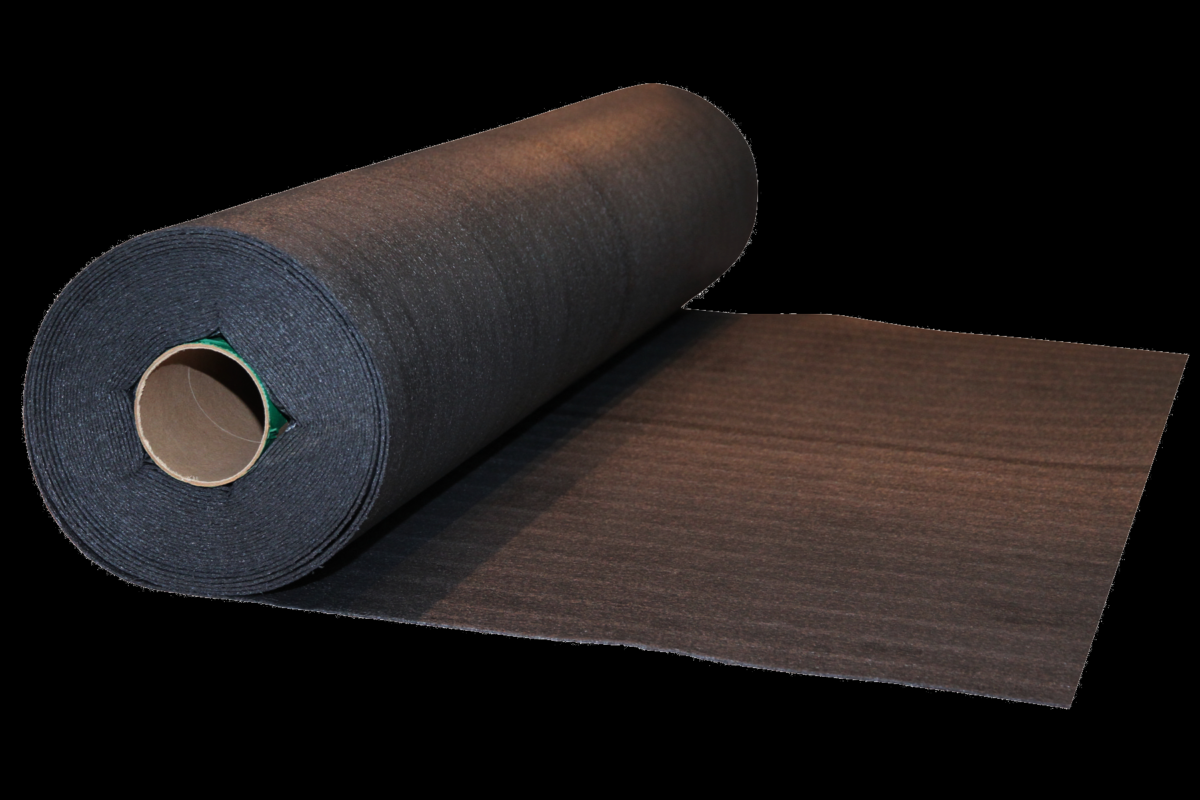
Which underlayment should you use based on floor level?
Basement
Almost all basements have a structural concrete floor. Concrete always retains some moisture, even after decades. There’s no room for risk: use an underlayment with a built-in vapor barrier. It blocks moisture, protects joints, and keeps warranties intact.
Main floor
You’ll want a balance of comfort and minor leveling support. A basic or slightly reinforced floor underlayer is usually enough. It handles small imperfections and reduces step noise.
Upper floors:
The concern here is sound transferring downstairs. Choose a dense underlayment designed to absorb vibration and meet acoustic standards (IIC/STC).
Comparison table:
| Floor Level | Main Concern | Recommended Underlayment | Suggested Product |
|---|---|---|---|
| Basement | Persistent moisture | Vapor barrier + dense foam | Moisture barrier underlayment |
| Main floor | Stability + walking comfort | Standard or light acoustic underlayment | Standard underlayment |
| Upper floor | Noise to rooms below | High-density acoustic underlayment (high IIC rating) | Acoustic underlayment (in-store) |
| Humid rooms | Water infiltration at seams | Depends on floor type (vinyl or laminate) | Case by case |
How to choose the right laminate floor underlayer for your project?
1. What floor level are you installing on?
The location in your home plays a big role in your choice of underlayment.
Basement: Concrete naturally releases moisture, even after years. You’ll need an underlayment with a built-in vapor barrier to protect your new flooring.
Main or upper floors: Here, the focus is more on sound reduction and underfoot comfort. A thicker foam or rubber-based underlayment works well to soften footstep noise and give a cushier feel.
Pro tip: A basement-grade underlayment can be used upstairs, but not the other way around.
2. What type of flooring are you installing?
Different floor materials have different needs.
- Laminate (HDF or MDF): Always needs a separate underlayment to reduce sound, block minor moisture, and correct small surface flaws.
- Vinyl plank flooring: Most modern vinyl includes an integrated underlayment, but it often doesn’t fully protect the joints or block moisture. Depending on the room, an additional underlayment may be recommended.
- Water-resistant laminate floors (48 – 72h): More resistant, yes; but not fully waterproof. If installed in a basement or humid room, a vapor barrier underlayment is still essential.
3. Do you need extra comfort or soundproofing?
Do you live in a condo? Have kids running around? Work from home?
If so, some premium floor underlayer options are worth it:
- Choose thicker underlayments with high sound insulation (look for IIC ratings)
- Rubber or high-density foam options can significantly reduce floor-to-floor noise and improve overall comfort
Good to know: The denser the underlayment, the better its performance; but also the higher the price. It’s all about balance.
4. Is the underlayment compatible with your floor’s click system?
This might sound technical, but it’s key.
If the underlayment is too soft, it can affect the locking system between boards, especially with thinner vinyl floors.
Make sure that:
- The thickness matches your product’s specs (not too soft, not too stiff)
- The flooring manufacturer doesn’t require a specific underlayment to keep the warranty valid
Should you hire a professional to install the underlayment for my laminate flooring?
Not always required, but often a smart move. A pro will check for subfloor issues, ensure the underlayment is installed smoothly (no overlaps or gaps), and protect all the joints properly.
Even the best underlayment won’t work if it’s poorly installed.
Conclusion
Choosing an underlayment for your laminate floor isn’t a minor technical detail. It’s a decision that affects comfort, durability, and peace of mind.
The right underlayment extends the life of your floor, improves how it feels, and prevents silent issues from appearing later. Whether it’s for a basement, living room, or second-floor bedroom, there’s a solution tailored to your space.
Need help?